
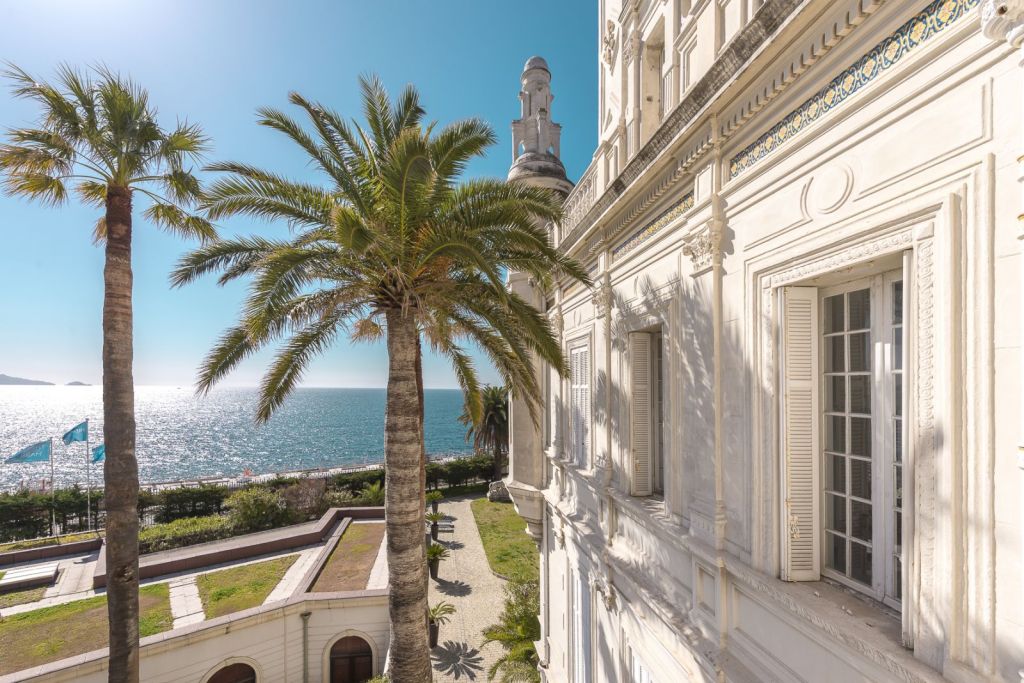
CITIES by the sea can be fascinating, combining a picturesque appeal with the vibrancy and excitement of a busy port. Marseille, the oldest city in France and second in size after Paris, is a magnificent example.
Gritty and pulsating, the recent history of this ancient community has been carved by the waves of immigrants that have made their homes here over 200 years from across Europe and North Africa.
And it is this exciting fusion of cultures that gives Marseille its compelling character, unlike any of its more buttoned-up neighbours on the French Mediterranean.
The Vieux Port remains a noisy hub, the quayside an everyday fish market where gleaming catches are only just outnumbered by the tourist throng heading along the dock to the sea cruisers that skip out to the Iles du Frioul.
Restaurants and cafes line the port on all three sides, and the main streets that stretch away from the waterside are filled with teeming markets and bazaars in addition to the big brands and local stores.
As an industrial city with a working port at its heart, polished perfection was never part of the Marseille tourist experience. When we first visited six years ago, we couldn’t fail to notice the litter and graffiti – not that it detracted from what was a fabulous holiday.
Having pushed through the football crowds heading back from another Olympique de Marseille triumph at the the Stade Vélodrome, we sat at the street-side balcony of our hotel on La Canebiere that evening, wine glass in hand, watching a screaming police car below chase down their motorbike prey.
It wasn’t too difficult to see why some people draw comparisons between Marseille and it’s city twin Glasgow – although other aspects of the French cousin’s personality, such as 300-plus days of sunshine, are clearly not part of that consideration …
This year was different, however. In the centre of Marseille, the litter and DIY wall art is mostly gone, the rejuvenation of the Vieux Port complete and many streets have benefited from rescue and renovation.
Named European City of Culture, Marseille is driving a programme of investment that will lift it even further from its 1971 portrayal in classic film The French Connection. City chiefs have been determined to shake off that murky image but it doesn’t mean Marseille has lost its roguish charm. This is still an edgy city, with a complex appeal, whether you are planning a cultural city break or a holiday in the sun. What makes Marseille so special, is you can do both.
Filled with music, crammed with festivals and museums around every corner, yet two million people still hit Marseille every year to enjoy the beaches that fringe 35 miles of coastline, including the rocks and coves of the Massif des Calanques, a few miles from the city-centre bustle.
And while the Vieux Port is not to be missed, there is a lot more to see in the boulevards and back alleys.
We left our street cred in our chic suite at the Adagio ApartHotel and jumped aboard a mini tourist train. A little uncomfortable but great fun, we zipped through the hilly streets that wind up from the south of the harbour to the highest point, where the Notre-Dame de la Garde sits like a gleaming sentinel.
The view from this 15th century basilica is incredible – and there is no way we could have made it on foot in midsummer sun.
Back at sea level, our accommodation on Rue Jean Trinquet is a 10-minute stroll from the port, or a few minutes via the tram. The ApartHotel is a fabulous concept, a mix of studio and two-room apartments, with a concierge in reception, allowing the freedom to stretch out in a fashionable pad and make the most of a fully-fitted kitchen.
You can opt to have breakfast provided but we saved money by popping out to the local grocer and boulangerie for fresh juice, coffee and warm croissants.
The location was excellent too. Just across the road and up a flight of steps is the trendy Le Panier, the oldest district of Marseille that stretches to the north side of the Vieux Port. Le Panier is a warren of tiny streets that twist and turn into pleasant squares, the old houses and merchants’ buildings brightly painted in cream and peach, shimmering under terracotta roof tiles.
People live and work here, squeezed among cosy cafes, specialist shops selling olive oil or soap, and artists’ studios and galleries. Also here is the former workhouse Vieille Charité. From the outside it looks like a prison but inside it’s a beautiful cloistered building, now a museum and exhibition space.
We couldn’t leave Marseille without a boat trip to the legendary Chateau D’If – of Count of Monte Cristo fame – and a hearty bowl of bouillabaisse by the twinkling lights of the harbour after dark.
Perfection? If only Marseille could get their team winning regularly again …
fact box –
We arrived in Marseille as part of a driving holiday through France, via the DFDS ferry from Newcastle to Holland, from £149.
But Ryanair fly direct to Marseille-Provence airport from Edinburgh and regular shuttle buses take about 20 minutes into the city centre.
Adagio Republique apartments start from around £95 per night and at their Prado Plage location from £74.
This article first appeared in The Daily Record in March 2012


You must be logged in to post a comment.